
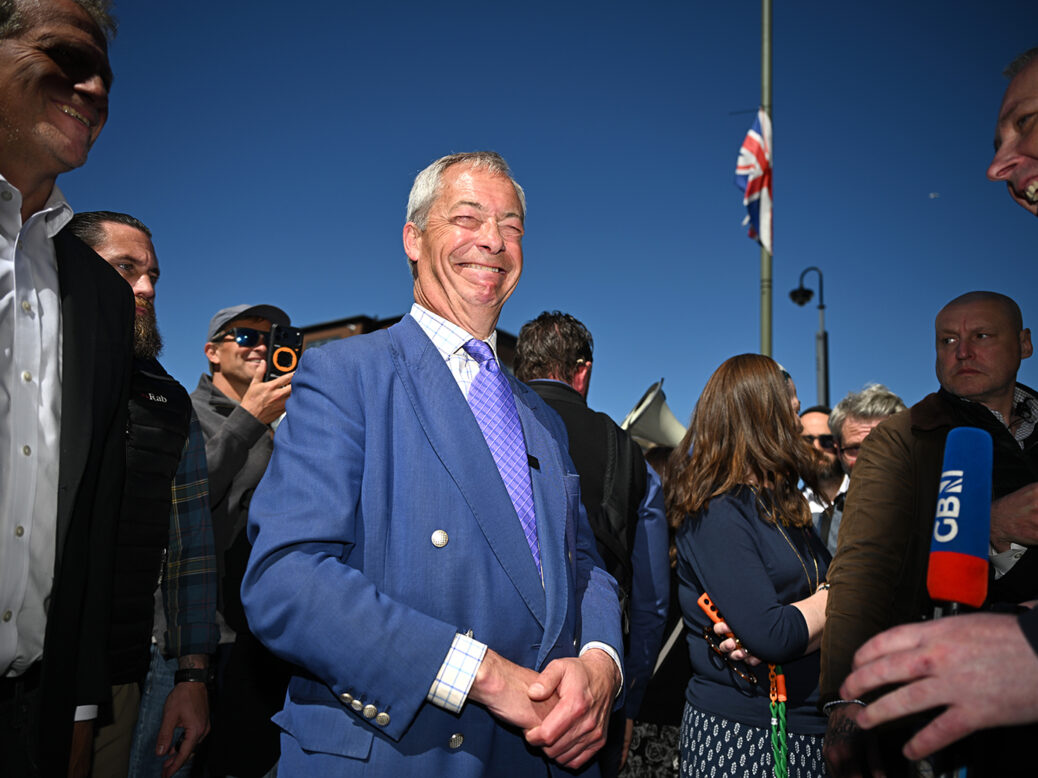
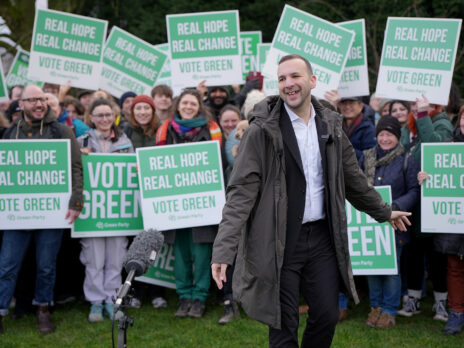
Reform UK announced a new policy over the weekend. If elected, the party said it will ensure that all constituencies voting for Reform are exempt from housing migrants in detention camps, and that all such camps will instead be built in seats that vote for “open borders” parties, primarily the Greens.
While there appeared to be an element of flippancy, this was not a gaffe but a fully premeditated media campaign, complete with an interactive postcode search feature on the party’s website telling users whether their constituency would be the site of one of these camps (based on the likelihood of it switching to the Greens at the next election).
There was outrage, including from Conservatives, and the gimmick conveniently distracts from a story the party has been keen to avoid commenting on (and so it bears repeating here: it has emerged that, before becoming an MP, Nigel Farage received a £5m “personal gift” from Christopher Harborne, a cryptocurrency investor based in Thailand, which he did not properly declare. The Reform leader said he had been given the money to pay for personal protection).
It is a vulgar expression of something it was once considered impolite to mention: the growing particularism in our politics, where local or group interests are placed above notions of the national interest. But how far is too far? While governing parties in recent years have had a habit of pork-barrelling their key seats – Boris Johnson’s levelling-up effort, targeted at the Red Wall, and Keir Starmer’s Pride in Place scheme – this proposal would be the inverse: a form of ritual punishment for the loser. The response from Reform supporters – that Green voters must welcome migrant detention centres because they are not immigration restrictionists – is, of course, nonsense.

The party has a bit of form on this. Its losing candidate in the Gorton and Denton by-election, Matt Goodwin, exited that contest ungraciously, describing the voters as “a coalition of Islamist and woke progressives” and questioning the legitimacy of the result. There is a longer history here too – a common analysis of Margaret Thatcher’s premiership is that she subjugated those who did not vote for her in order to enrich those who did – but it has never been so transparent. At least Reform is being honest when it addresses the more than 70 per cent of voters who say they do not support the party: we do not like you.
This piece first appeared in the Morning Call newsletter; receive it every morning by subscribing on Substack here
[Further reading: Stevenage Woman keeps thinking about Nigel Farage]
Content from our partners



Related

Join the debate
Subscribe here to comment